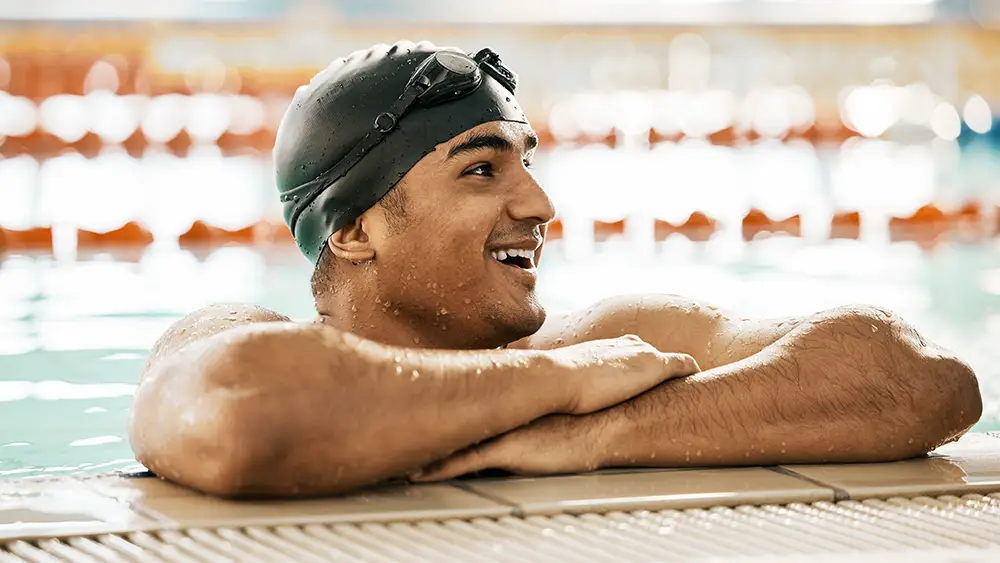





Key Takeaway: Most patients safely return to swimming after surgery within 1–2 weeks and resume running in just 2–4 days. This rapid recovery timeline enables athletes to return to their favorite activities quickly, provided they receive proper guidance from their surgeon.
Ready to dive back into your active lifestyle after LASIK? While the procedure offers a remarkably rapid recovery, swimming after surgery requires a structured approach to protect the delicate healing process of the cornea. At Best LASIK Surgeons, our network of elite refractive specialists understands that for athletes, every day of training counts. This guide provides the medical clarity you need to safely resume diving, running, and swimming after LASIK, ensuring you protect your vision investment while returning to peak performance with total confidence.
When Is Swimming After Surgery Safe Following LASIK?
Unlike land-based sports, swimming after surgery requires a more cautious approach because water—whether in a pool or the ocean—exposes the healing cornea to bacteria and chemical irritants. This brief pause in training is a vital investment in your long-term visual stability, and most athletes are cleared to return to their aquatic routines within just a few weeks.
Progressive Swimming Timeline:
- Week 1-2: Recovery & Water Avoidance. To ensure the primary healing phase remains undisturbed, all water environments (pools, lakes, oceans, and hot tubs) are strictly off-limits.
- Week 2-3: Controlled Return to Chlorinated Pools. Swimming after LASIK is generally permitted in treated pools, provided you utilize high-quality, watertight goggles. This stage begins once your surgeon confirms that corneal flap adhesion is progressing as expected.
- Week 3-4: Integration of Natural Water Bodies. Lakes, rivers, and oceans require an extended buffer period due to naturally occurring microbes. Continue using protective eyewear during this phase to maintain a sterile healing environment.
- Week 4-6: Full Aquatic Freedom. With professional clearance, you can resume swimming after LASIK without goggles and safely open your eyes underwater.
“The corneal flap created during LASIK typically bonds securely within the first two weeks, which is why we use this timeframe as our medical foundation for water activity clearance.” — Best LASIK Surgeons Network.
What Water Safety Protocols Support Your Recovery?
Following these safety protocols is the best way to ensure a smooth return to swimming after LASIK.
Swimming After Surgery Protocols:
- Observe Strict Immersion Avoidance: Refrain from all aquatic environments for the initial 1–2 weeks to allow the corneal flap to secure and the surface to re-epithelialize.
- Prioritize High-Quality Eye Protection: Once cleared for light training, utilize professional-grade, watertight goggles to shield the healing tissue from chemical irritants and environmental particulates.
- Avoid Stagnant Heat Sources: Forgo hot tubs and spas for at least two weeks; these high-temperature environments often harbor higher concentrations of bacteria that pose an unnecessary risk to healing eyes.
- Controlled Immersion: Keep eyes closed during underwater activity until your surgeon confirms that surface healing has reached full maturation.
- Maintain Ocular Hydration: Utilize preservative-free artificial tears immediately following aquatic activity to flush away residual chlorine or salt and maintain a healthy tear film.
- UV & Wind Defense: Implement high-quality, UV-blocking sunglasses at pools or beaches to protect against secondary irritation from intense glare and wind-borne debris.
- Practice Strict Physical Restraint: Under no circumstances should you rub your eyes. If irritation occurs, use lubricating drops as the primary method for relief.
Standout Tip: Plan your surgery for the off-season. Elite aquatic athletes use this window to stabilize their vision and acclimate to their improved contrast before returning to high-stakes competition.

When Can You Safely Dive or Resume High-Impact Water Sports?
Because high-impact water sports involve significant speed and pressure, a 3–4 week recovery window is recommended to ensure the eye’s structural integrity. Once initial healing is complete, the eye is incredibly resilient to depth and force—allowing even military divers to return to full operational status following their recovery period.
Water Sports & Diving Considerations:
- Superior Mask Protection: Professional diving masks offer better protection than standard goggles. Their wider seal helps equalize pressure and creates a secure shield against the elements.
- Safety at Depth: For recreational divers, depths of up to 130 feet pose no risk to your LASIK results. The idea that pressure can “shift” a healed corneal flap is a common myth; modern LASIK is designed for this level of activity.
- Saltwater vs. Chlorine: Saltwater is often gentler on the eyes than pool chemicals, but the same safety protocols apply. You want to ensure the eye’s surface is fully sealed before exposing it to any water environment.
Most athletes find they return to their peak performance levels—or better—within 4–6 weeks.
How Soon Can You Resume Running and Athletic Training?
Modern LASIK allows land-based athletes to return to their routines remarkably fast. Unlike the stricter protocols for swimming after surgery, gym and track workouts are easier to navigate because you have more control over your environment. Most patients celebrate a return to their fitness lifestyle within days, enjoying a seamless transition back to peak activity.
Post-LASIK Athletic Recovery Timeline:
- Days 1–3: Controlled Movement. Focus on light walking and low-intensity indoor cardio. The primary goal during these first 72 hours is to keep perspiration away from the eyes.
- Days 3–7: Gradual Intensity. Light jogging and moderate gym workouts are typically permitted. Stay well-hydrated to support your eye’s natural tear film stability.
- Weeks 2–4: Full Endurance & Strength. Most non-contact sports and high-intensity interval training (HIIT) can resume, ideally with the use of protective sports eyewear to shield against accidental contact.
- 1–3+ Months: Contact & Impact Sports. High-impact activities like basketball, soccer, or martial arts require a confirmed milestone of stable healing from your surgeon.
For outdoor athletes, equipment is key. We recommend investing in high-performance wraparound sunglasses with 100% UV protection. These are essential for cyclists and long-distance runners who need protection against wind-borne debris and UV strain during extended training sessions.
FAQ: Performance Insights for Athletic LASIK Patients
- Can LASIK Affect My Depth Perception During Competitive Sports? LASIK enhances depth perception by ensuring that both eyes achieve optimal focus simultaneously. Most athletes report sharper court awareness, better ball tracking, and faster reaction times within just a few weeks of their procedure.
- Should I Modify My Training Blocks Around Seasonal Competitions? We recommend scheduling LASIK during your off-season. Elite athletes typically aim for an 8–12 week window before major competitions to ensure complete visual stability.
- Will Altitude Changes During Skiing or Mountain Climbing Affect My Results? Altitude itself does not alter healed LASIK results, though increased UV intensity and dry mountain air can cause temporary dryness. We advise using wraparound eye protection and preservative-free artificial tears during the first few months of high-altitude activity.
Choose Your LASIK Surgeon With Confidence
You shouldn’t have to guess when it’s safe to resume the activities you love. Best LASIK Surgeons connects you with elite, nationally recognized experts who specialize in treating athletes and provide exact, technology-driven timelines for swimming after LASIK, diving, and high-impact training. Partnering with a specialist who understands your sport is the best way to protect your vision investment. Find the best surgeon near you and get back to peak performance with clearer vision.
Frequently Asked Questions
Share This Article!
About the Author Written by Dr. Michael Shumski, M.D., M.S.E.

Dr. Shumski is a board-certified ophthalmologist specializing in cataract & refractive surgery at Magruder Laser Vision in central Florida.