




After you step out of your LASIK consultation, one question likely dominates your thoughts: “When can I begin driving after LASIK, and get back to my normal life?” While the promise of clear vision is exciting, the practical realities of post-op care determine how quickly you’ll experience true visual freedom. At Best LASIK Surgeons, we believe informed patients are safe patients, which is why this guide clearly explains the standard post-op recovery timelines, safety protocols, and medical requirements you need to know before getting back behind the wheel.
Why Can’t You Drive Home Immediately After LASIK Surgery?
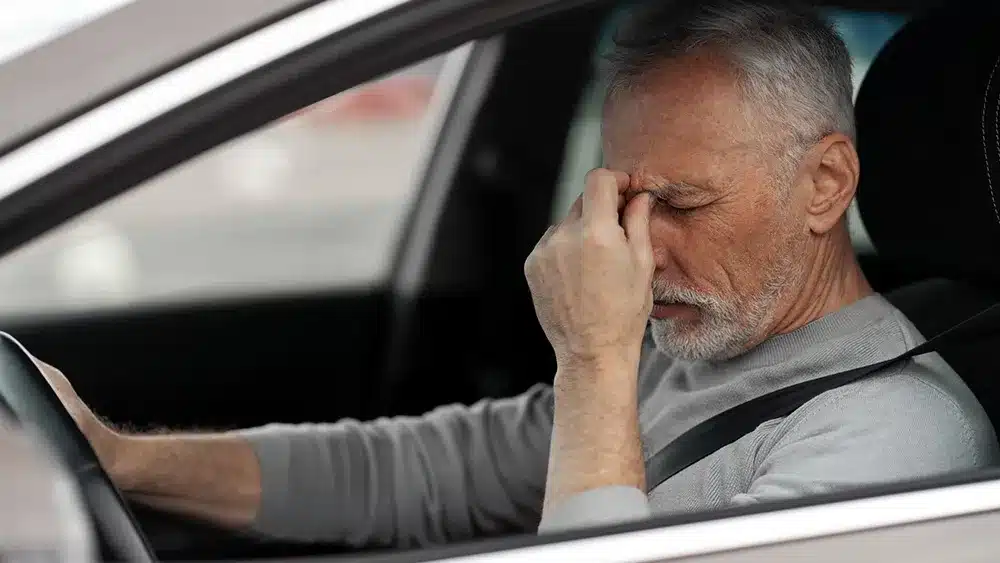
Across all accredited surgical centers, there’s a universal safety requirement: you cannot drive yourself home following your LASIK procedure. Even if you feel alert and comfortable, your eyes have started the initial healing phase, and so you’ll be experiencing normal recovery effects that will temporarily affect your driving ability:
- Adjusting Clarity: Your brain and eyes are beginning to coordinate with your new vision, which often results in a temporary, gentle haziness as you heal.
- Heightened Light Awareness: Your corneas are extra sensitive to light immediately after treatment, making glare from the road or sun difficult to manage comfortably.
- Natural Healing Shifts: It is normal for your vision to “ebb and flow” in the first few hours as the corneal flap begins to settle and seal.
- Post-Procedure Drowsiness: Any mild sedative used for your comfort during the procedure needs several hours to fully leave your system, ensuring you stay relaxed and safe.
These temporary side effects resolve quickly as your eyes heal, making professional transportation a smart, stress-free investment in your recovery success.
What Transportation Options Should You Arrange For?
Since your focus on surgery day should be entirely on rest and recovery, arranging your transportation in advance is a key part of your LASIK post-op care checklist. Most patients arrange for:
- A Trusted Friend or Family Member: This is the most popular choice, as having a familiar face can provide extra comfort and support as you begin your healing journey.
- Rideshare or Taxi Service: Apps like Uber or Lyft are excellent, reliable alternatives if your friends or family are unavailable, or you can book a taxi in advance to ensure a driver is waiting when you’re ready to head home.
- Professional Medical Transport: Some specialized clinics offer or recommend local transport services specifically designed for surgical patients.
Getting these details squared away early lets you focus on the exciting part: your new vision. Think of it as setting the stage for a stress-free afternoon of rest.
What Is the Standard Timeline for Driving After LASIK?
The timeline for driving after LASIK is remarkably swift for most patients, but it varies based on how your body heals. Understanding these phases helps you plan your first few days of recovery:
Standard Recovery Milestones:
- First 24 Hours – Mandatory Rest Period: No driving is permitted during this window. Your vision is just starting to stabilize, so it’s normal to notice some fluctuations, light sensitivity, or mild “scratchiness” as you rest.
- 24-48 Hour Follow-Up – Potential Clearance: Most patients are cleared to drive after their first post-op check-up. Your surgeon will test your uncorrected vision to make sure it meets legal driving standards. Individual results vary based on healing and surgical complexity.
- 48-72 Hours – Expanded Clearance: By this point, nearly everyone is back behind the wheel. Your vision will continue to sharpen as you follow your LASIK post-op care, though caution is good at night due to temporary glare sensitivity that resolves over the following weeks.
Your personal timeline depends on: original prescription strength, the laser technology used, your individual healing rate (which varies by age, health, and genetics), and how closely you follow your post-op eye drop schedule.
How Does Your Follow-Up Exam Determine Driving Clearance?
Your first post-operative appointment is a major milestone; it’s a decisive moment for getting clearance to drive after LASIK. This evaluation ensures you’re not just medically and legally able to see clearly for safe vehicle operation, but that you’re comfortable behind the wheel.
What Your Surgeon Evaluates
1. Legal Visual Acuity Requirements: Your surgeon must verify that your uncorrected vision reaches at least 20/40, that both eyes are working together effectively for binocular function, and that you have visual field stability with no significant blind spots or distortions.
2. Functional Vision Assessment: Beyond basic acuity, your surgeon evaluates your reading ability at various distances (essential for road signs and dashboard monitoring), contrast sensitivity for distinguishing objects in varying light conditions, and eye movement coordination for smooth tracking and focus changes while driving.
3. Physical Comfort Indicators: The evaluation includes assessing minimal light sensitivity that doesn’t impair daytime driving, stable tear film that prevents excessive blinking or vision blur, and absence of significant pain that could distract from driving focus.
4. Questions Your Surgeon Will Ask: During your evaluation, your surgeon will assess your readiness with specific questions designed to gauge your confidence and comfort level:
- Do you feel confident reading text at arm’s length?
- Are you experiencing any dizziness or visual disturbances?
- Can you comfortably keep your eyes open in normal lighting?
- Do you feel alert and focused without any medication side effects?
Standout Tip: Bring your current driver’s license to your follow-up appointment. If your license has vision restrictions that LASIK has corrected, your surgeon can provide documentation for the DMV.
What Are the Essential Tips for Safe Driving After LASIK?
Proper LASIK post-op care is the key to a fast and safe return to driving. Once you’ve received medical clearance, follow these simple tips to ensure your first few trips are as comfortable as possible.
Your Safe-Driving Checklist:
- The Essentials: Always have high-quality sunglasses and your preservative-free artificial tears ready in the car to manage light sensitivity and maintain crisp clarity.
- Ease Into It: Start with short, familiar routes during the day to build confidence and test your comfort in a low-stress environment.
- Protect Your Progress: Keep your windows up and use air conditioning instead of open windows to prevent wind or debris from drying out your eyes. Maintain extra following distance while your depth perception fully stabilizes.
- Listen to Your Eyes: If your vision feels blurry or uncomfortable, pull over and use your lubricating drops.
- Nighttime Considerations: Be prepared for temporary glare and halos around lights, which typically resolve within 2–4 weeks. It is often wise to wait 1–2 weeks before attempting long-distance night driving to ensure your contrast sensitivity has fully recovered.
Find Your LASIK Surgeon With Confidence At Best LASIK Surgeons
Driving after LASIK timelines vary based on individual healing patterns, surgical techniques, and your pre-existing prescription, making personalized professional guidance essential for safe recovery. The board-certified specialists in our national directory provide customized LASIK post-op care plans that account for your driving requirements and lifestyle needs, ensuring you receive the guidance you need for a confident return to the road.
Medical Disclaimer: The information provided in this guide is for educational purposes only and is not intended as medical advice, diagnosis, or treatment. Recovery timelines and driving clearance are unique to each patient and must be determined by your surgeon. Always follow the specific post-operative instructions provided by your eye care professional.
Frequently Asked Questions
Share This Article!
About the Author Written by Dr. Michael Shumski, M.D., M.S.E.

Dr. Shumski is a board-certified ophthalmologist specializing in cataract & refractive surgery at Magruder Laser Vision in central Florida.