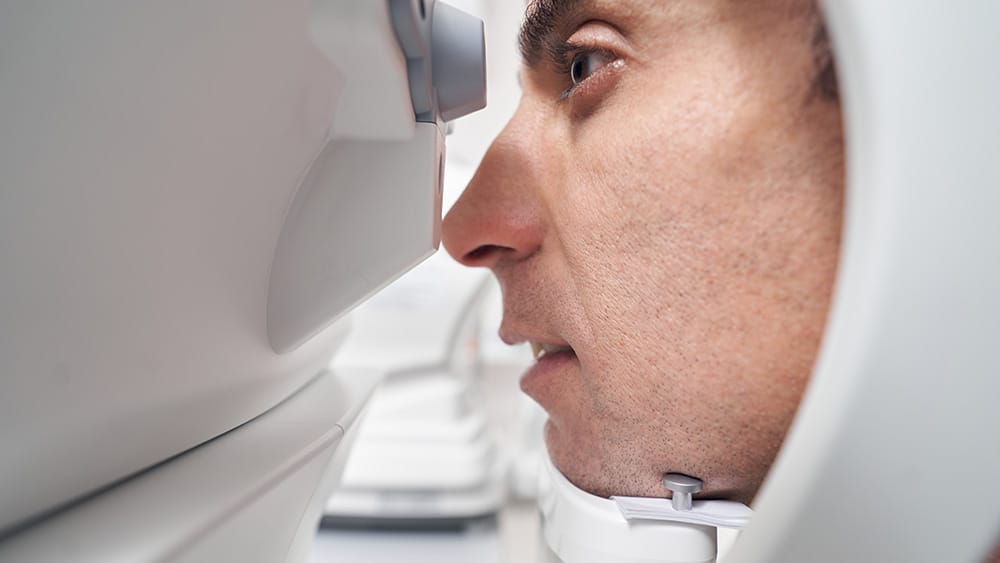





KEY TAKEAWAY: More than 80% of people who pursue LASIK qualify for it. If you’re over 18 with a stable prescription, healthy corneas, and good overall eye health, you’re likely a strong candidate, and this checklist helps you confirm it before you book.
You’re tired of reaching for your glasses before your feet hit the floor, and LASIK feels like the answer, until doubt creeps in: am I a candidate for LASIK, or am I about to waste everyone’s time? It’s the question that stalls thousands of people at the starting line. The good news is that most adults who depend on glasses or contacts do qualify for LASIK, and the factors that determine your LASIK eligibility are refreshingly straightforward to assess. This checklist walks you through exactly what surgeons look for, so you can gauge where you stand before you book a single appointment.
Am I a Candidate for LASIK? Your Eligibility Checklist
Wondering what it takes to qualify for LASIK? Work through the nine criteria below. If most of them describe you, you’re likely a strong LASIK candidate:
- You’re at Least 18, and Ideally 21+. No laser is FDA-approved for anyone under 18, and many surgeons prefer you’ve reached 21, when the prescription changes of your teens and early twenties have usually settled.
- You Have a Steady Prescription Running At Least 12 Months. LASIK permanently reshapes your cornea to match your current vision, so a prescription that’s still drifting is a reason to wait, not a reason to give up.
- Your Refractive Error Falls Within the Treatable Range. The FDA-approved device maximums reach up to -12.00 diopters of nearsightedness, +6.00 of farsightedness, and 6.00 of astigmatism. Most surgeons treat comfortably inside those limits, where results are most predictable.
- Your Corneas Are Healthy & Thick Enough to Reshape. LASIK sculpts corneal tissue, so it needs enough depth for a flap plus a stable foundation beneath. Femtosecond lasers and thinner flap techniques have widened who qualifies, though corneal mapping is the only way to know what your eyes can safely support.
- You Don’t Have Any Disqualifying Conditions. Keratoconus, advanced glaucoma, a vision-clouding cataract, or corneal scarring can each make LASIK unsafe or blunt its results. Severe dry eye sits in its own category, since LASIK temporarily reduces tear production and can aggravate symptoms you already have.
- You’re In Good Overall Health. Uncontrolled diabetes, active autoimmune conditions like lupus or rheumatoid arthritis, and healing-slowing medications such as steroid tablets or acne treatments like Accutane can all complicate recovery. Well-managed conditions often don’t disqualify you, but your surgeon needs the full picture before clearing you.
- You’re Not Pregnant or Nursing. The hormonal shifts of pregnancy and nursing can temporarily change your prescription, so surgeons wait until your vision returns to its true baseline.
- Your Work or Sports Don’t Put You at High Impact Risk. The corneal flap created during LASIK stays permanently healed but never regains full original strength, so contact athletes and people in trauma-prone roles like law enforcement, firefighting, or military service should raise it early. Many still proceed safely; others do better with a flapless option like SMILE.
- You Have Realistic Outcome Expectations. Roughly 90% of patients reach 20/20 to 20/40 vision without correction, and Mayo Clinic reports more than 99% end up at 20/40 or better. LASIK sharpens distance vision brilliantly, so road signs, faces, and film credits come back into focus, though it doesn’t prevent presbyopia, the age-related reading shift that reaches everyone after 40.
Worth Knowing: The factor that surprises the most would-be patients asking am I a candidate for LASIK isn’t their prescription, it’s corneal thickness. Two people with identical prescriptions can get completely different answers, because your prescription sets what needs correcting while your cornea determines how much reshaping it can safely take. That’s why a five-minute corneal scan, not a home checklist, always has the final say.
What Can Temporarily Delay or Rule Out LASIK Eligibility?
Wondering whether you’re a candidate for LASIK when something on the list above gave you pause? Take heart: of the 15–20% of patients found ineligible for LASIK, many are only temporarily sidelined, and even a firm “not LASIK” rarely means “no vision correction at all.”
- Temporary Factors Are Worth Revisiting: An unstable or shifting prescription, recent contact lens wear that’s still holding your cornea’s shape, pregnancy or breastfeeding, and manageable issues like dry eye or a passing infection. Once these settle, LASIK eligibility often moves back onto the table.
- Complex Factors Are Worth a Full Evaluation: Keratoconus, corneas too thin for safe reshaping, a refractive error beyond the treatable range, or certain uncontrolled systemic conditions. Here, a consultation determines which vision-correction approach genuinely fits your eyes, since several alternatives exist for corneas LASIK can’t safely treat.
Still unsure where you land? Take our free two-minute LASIK candidacy test for a quick read on your eligibility.
How Do I Prepare for My LASIK Eligibility Consultation?
Arriving prepared means you’ll know whether you’re a candidate for LASIK sooner and more accurately, since your surgeon’s measurements depend on your eyes being in their natural state. A little planning makes the whole visit easier:
- Stop Wearing Your Contact Lenses. Contacts temporarily reshape your cornea and skew baseline measurements. Your surgeon will give you exact timing, but plan on removing soft lenses for several days and rigid or gas-permeable lenses for a few weeks ahead of your evaluation.
- Compile Your Medical and Vision History. Bring a list of current medications and known health conditions so your surgeon can spot anything that affects healing before it affects your results.
- Arrange For Transportation On Consultation Day. Your eyes will be dilated during the exam, leaving your vision blurry and light-sensitive for several hours, so line up a friend, partner, or rideshare in advance.
- Skip Eye Makeup, and Lotions/Creams. On evaluation day, arrive with a clean face around the eyes so nothing interferes with mapping or examination.
Insider Prep Tip: Ask your current eye doctor for copies of your prescriptions going back two to three years and bring them along. A paper trail proving your vision has held steady can turn a “let’s monitor and recheck” into a green light for surgery.
Frequently Asked Questions About LASIK Candidacy
Before you book through the Best LASIK Surgeons directory, here are quick answers to the candidacy questions we hear most:
- Can I Get LASIK If I’ve Been Turned Down Before?Screening standards, technology, and surgeon expertise vary, so someone who’s been told they aren’t a candidate for LASIK at one practice is sometimes approved at another. If you were declined for a treatable reason like dry eye or borderline measurements, a second opinion from an experienced refractive surgeon is worth pursuing.
- Does Astigmatism Disqualify Me from LASIK?No. LASIK routinely corrects astigmatism up to 6.00 diopters, well within its treatable range, and most patients still reach 20/20 vision or better.
- Is There An Upper Age Limit for LASIK Eligibility?There’s no strict maximum age. Whether you’re a candidate for LASIK past 50 depends far more on your eye health, corneal thickness, and the absence of cataracts than on the number itself.
- Can I Get LASIK If I’ve Had It Once Before?Many patients qualify for a LASIK enhancement years later, provided enough corneal tissue remains for safe reshaping. Your surgeon confirms your residual thickness and prescription stability before recommending a second treatment.
- How Long Does The LASIK Eligibility Exam Take? Plan for one to two hours. The evaluation includes corneal mapping, thickness measurements, refraction, a dry eye check, and dilation, followed by a conversation about your results, your options, and what your procedure will cost. You’ll typically leave knowing whether you’re a candidate.
Ready to Confirm Your Candidacy? Find the Best LASIK Surgeon Near You
A checklist can tell you whether you’re likely a candidate for LASIK, but only a surgeon can tell you for certain, and that’s exactly what this next step is for. The board-certified specialists in the Best LASIK Surgeons national directory pair decades of experience with the sharpest diagnostic technology available to confirm your candidacy quickly and honestly. Find the best LASIK surgeon near you and take the first confident step toward mornings that start without reaching for your glasses.
The information provided in this article is for educational purposes only and is not intended as medical advice, diagnosis, or treatment. LASIK candidacy, outcomes, and eligibility are unique to each patient and must be determined by a qualified refractive surgeon. Always follow the specific guidance provided by your eye care professional.
References
- U.S. Food and Drug Administration. LASIK Surgery Checklist. Retrieved from https://www.fda.gov/medical-devices/lasik/lasik-surgery-checklist
- American Academy of Ophthalmology. LASIK — Laser Eye Surgery. Retrieved from https://www.aao.org/eye-health/treatments/lasik
- American Refractive Surgery Council. Are You a LASIK Candidate? General LASIK Candidate Guidelines. Retrieved from https://americanrefractivesurgerycouncil.org/general-lasik-candidate-guidelines/
- Mayo Clinic. LASIK surgery: Is it right for you? Retrieved from https://www.mayoclinic.org/tests-procedures/lasik-eye-surgery/in-depth/lasik-surgery/art-20045751
Share This Article!
About the Author Mitchell Jackson, M.D.
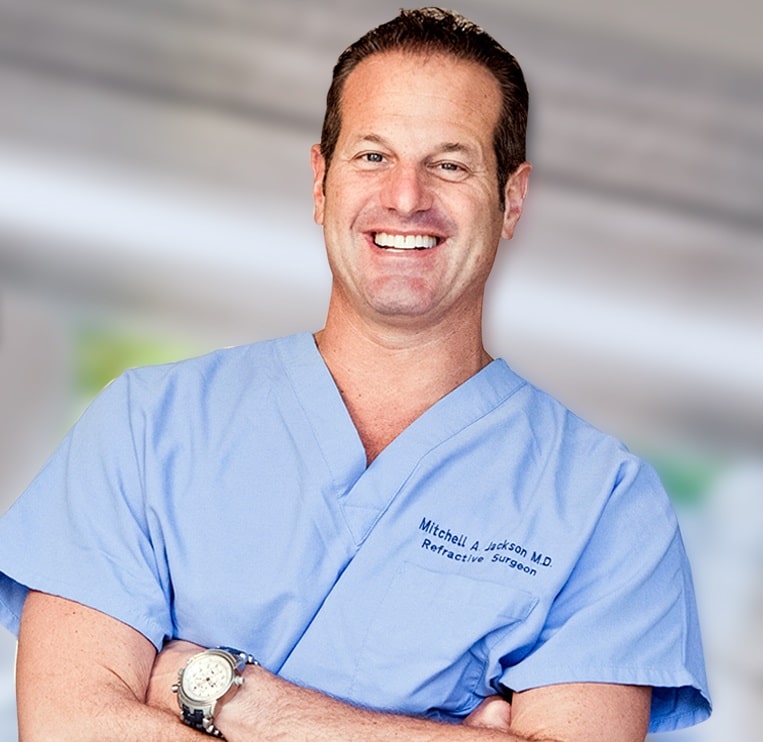
Dr. Jackson is a board-certified ophthalmologist specializing in refractive lens exchange, LASIK, and laser vision correction at Jacksoneye in Lake Villa, Illinois.